

The Science of Winter Hibernation

Why our bodies crave more rest as the nights draw in
Longer nights don't just make staying in more appealing; research suggests our sleep changes with the seasons, giving good reason to accept a little winter hibernation.
As daylight dwindles and temperatures drop, the pull of a warm bedroom becomes increasingly difficult to resist, and science suggests there may be more to it than simply avoiding a frosty morning. Our internal body clocks remain closely connected to the natural cycle of light and dark, meaning seasonal changes can influence when and how we sleep.
For British bedmaker Hypnos, with more than 120 years of bedmaking heritage, winter offers a timely signal that the bedroom isn't simply a place to retreat when it's dark outside, but an important environment for rest, recovery, and quality sleep.
Our sleep really can change with the seasons
Humans might not technically hibernate, but research suggests our sleep maintains a seasonal rhythm. A 2023 study published in Frontiers in Neuroscience1, which analysed sleep-laboratory data from 188 patients, found around 30 minutes more REM sleep in winter than spring. Total sleep time was also up to an hour longer in winter than summer.
It gives the desire to linger beneath the duvet a little scientific credibility. The study concluded that seasonal variation in sleep architecture can persist even among people living in city environments, despite artificial lighting reducing our exposure to natural patterns of light and dark.
Less daylight affects our internal clock
Light is one of the most important environmental signals regulating our circadian rhythm, the roughly 24-hour internal clock influencing when we feel alert and when we become sleepy. Research published in the Journal of Pineal Research2, based on more than 500 University of Washington students, found that on winter school days participants fell asleep an average of 35 minutes later and woke 27 minutes later than on summer school days.
Crucially, the researchers linked this seasonal shift to reduced daytime light exposure. Each additional hour of exposure to daytime light was associated with circadian timing moving around 30 minutes earlier, suggesting that getting outside during daylight hours might be particularly important through winter.
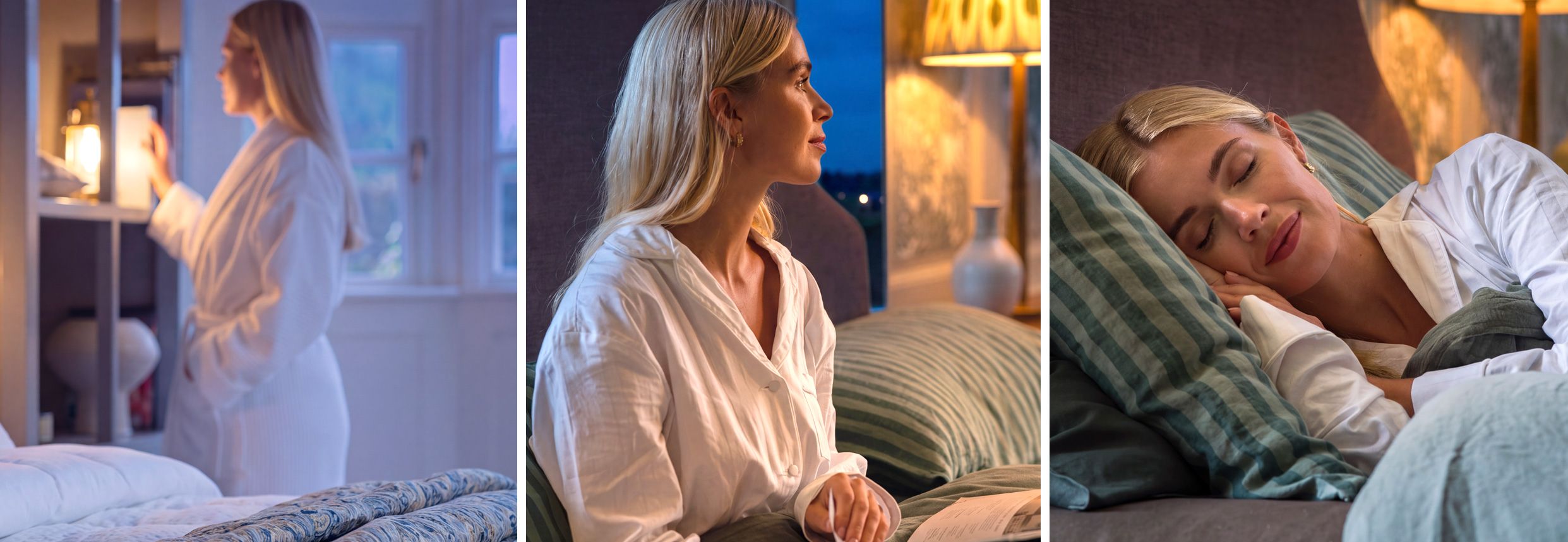
Winter tiredness isn't simply in the imagination
The familiar midwinter feeling of running on slightly depleted batteries may therefore have a physiological basis. Commenting on the Frontiers in Neuroscience research, study author Dr Dieter Kunz said human physiology is "down-regulated" during winter, even as our everyday schedules remain largely unchanged.
Modern life, of course, makes few concessions to the season. The alarm still goes off, meetings still begin at nine, and nobody has yet persuaded the office that February warrants a later start. But understanding how seasonal light can affect our circadian rhythms gives us good reason to pay a little more attention to rest and routine when the nights are at their longest.
Daylight still matters - even when we want to stay indoors
If darker days can shift our internal clocks, making the most of daylight is especially relevant. The University of Washington research found daytime light exposure to be a stronger predictor of seasonal circadian timing than light exposure after dusk.
Opening curtains early, getting outdoors during daylight and creating a clear distinction between brighter, active days and darker, quieter evenings can all support the signals our internal clocks use. Hibernation works best when we occasionally emerge from the cave.
C omfort Counts - but overheating doesn’t
Our instinct may be to pile on blankets until only the tip of a nose remains visible, but winter comfort isn't simply about making the bedroom hotter. A sleep space should feel cosy without becoming uncomfortably warm.
Breathable bedding, tactile natural fibres and layers that can easily be added or removed can create that cocooning sensation while allowing comfort to be adjusted throughout the night. Hypnos similarly advises that being extremely warm can adversely alter sleep quality, despite the understandable temptation to turn the bed into a small tropical microclimate once winter arrives.
Creating comfort around our natural rhythms
While we can't disappear beneath the duvet until spring, we can make the bedroom better supportive of the seasonal desire for rest, and the quest for a good night’s sleep to recharge our drained batteries. A comfortable, supportive bed, breathable natural materials, and a calm sleep environment may all help create a more inviting winter retreat.
This approach sits naturally alongside Hypnos' British bedmaking heritage and its focus on handcrafted comfort. Natural materials serve a practical role: Hypnos uses ethically sourced British wool across its handcrafted mattresses and bedding collections, a fibre that naturally controls temperature and moisture, helping provide warmth in colder conditions while remaining breathable.
The science might stop short of giving us permission to sleep until March, but it does suggest that our relationship with sleep changes as nature and the seasons turn. So when the nights draw in, and bed starts looking unusually inviting, perhaps the answer isn’t to resist winter entirely, but rather to get better at hibernating.
Layering comfort for winter
From breathable bedding and pillows to Hypnos comfort layers, the right finishing touches can make all the difference. Explore our collections to find added warmth, adaptable comfort and the perfect finishing touch for a more restful night's sleep.
